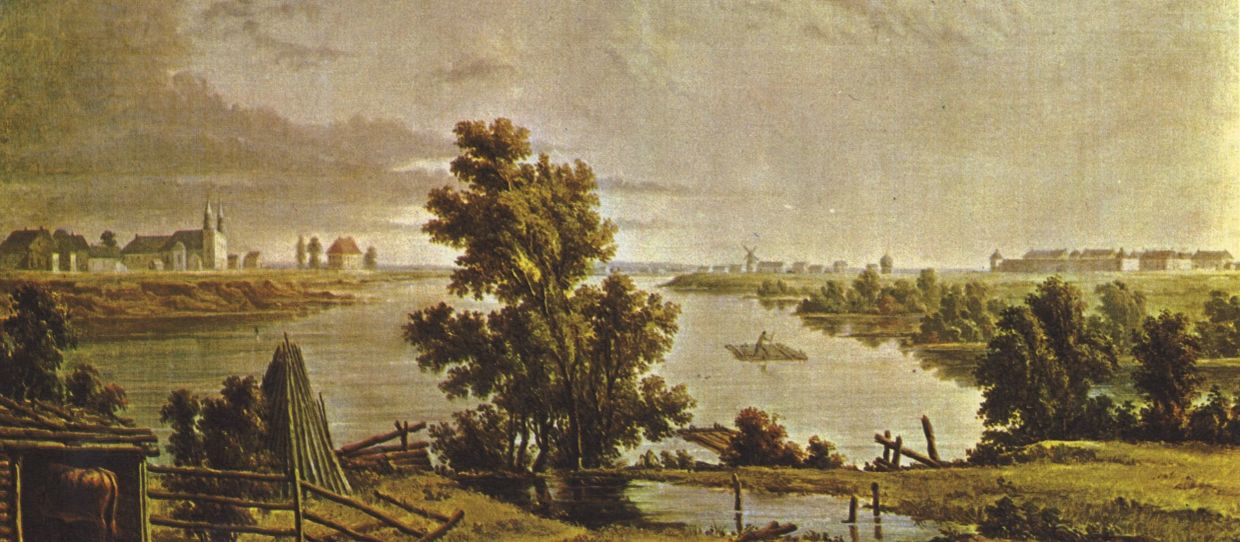
Before Manitoba became a province, the land around Maple Grove was part of the Red River Settlement — a river-based community that grew along the Red and Assiniboine Rivers and became one of the most important places in the history of Western Canada. By the time Maple Grove was built in 1866, this region was already shaped by generations of Indigenous presence, the fur trade, farming, river travel, and the growth of a rich and diverse settlement society.
Maple Grove stands in St. Andrews, along the Red River, in a landscape that was deeply connected to movement, trade, family life, and community identity. Houses, churches, farms, and trading networks were tied to the river itself. Long, narrow river lots gave families access to water, transportation, and fertile land, and helped shape the distinctive look of settlement communities throughout the Red River region.
A Place of Many Peoples
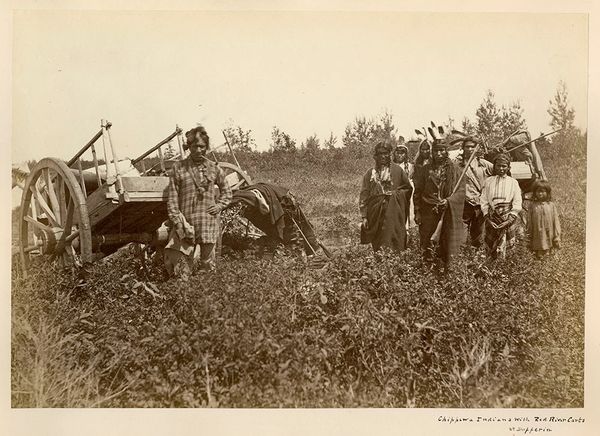
The Red River Settlement was not a single-story place. It was home to First Nations, the Red River Métis, Hudson’s Bay Company employees, settlers from Europe and eastern British North America, clergy, farmers, traders, and craftspeople. The rivers were places of meeting and exchange long before the formal establishment of the settlement, and that layered history continued into the 19th century.
For much of its early history, Red River was strongly shaped by the Red River Métis, whose communities, culture, kinship networks, trade activity, and political leadership were central to the region. Any understanding of this place must recognize Red River as part of the Red River Métis Homeland and as a landscape with much deeper Indigenous histories before and beyond settlement.
Life Along the River
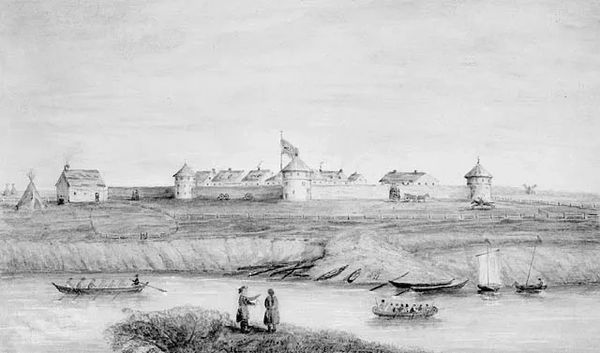
In the mid-1800s, daily life in the Red River Settlement was closely tied to the seasons and to the river. Families travelled by cart, boat, horse, and sleigh. They farmed, traded, baked, preserved food, raised children, attended church, visited neighbours, and adapted constantly to weather, distance, and change. The river was not just scenery — it was a route, a resource, and a lifeline.
By the 1860s, Red River was also changing. New arrivals from the Canadas were increasing, political tensions were growing, and the region was moving toward the dramatic events that would lead to the creation of Manitoba in 1870. Maple Grove was built only a few years before that transition, making it a witness to a remarkable turning point in local and national history.

Where Maple Grove Fits In
Maple Grove was built in 1866 for Captain William Kennedy, using stone quarried from nearby St. Andrews Rapids. Its location on River Road placed it within one of the historic settlement corridors of the Red River valley. The house reflects both the prosperity and aspirations of its owner and the wider cultural world of Red River in the years just before Manitoba entered Confederation.
Today, Maple Grove offers more than a glimpse of one family home. It opens a window onto the broader story of Red River — a story of land, river travel, architecture, community, hospitality, and identity. To stand here is to stand within a landscape that helped shape Manitoba itself.
QUICK FACTS
Red River Settlement
A historic river-based community centred on the Red and Assiniboine Rivers, long before Manitoba became a province.
Maple Grove Built
1866 — four years before Manitoba entered Confederation.
Why the River Mattered
The river was a transportation route, food source, social connector, and organizing feature of settlement life.
A Diverse Region
The Red River world included First Nations, Red River Métis, settlers, traders, clergy, and farming families.