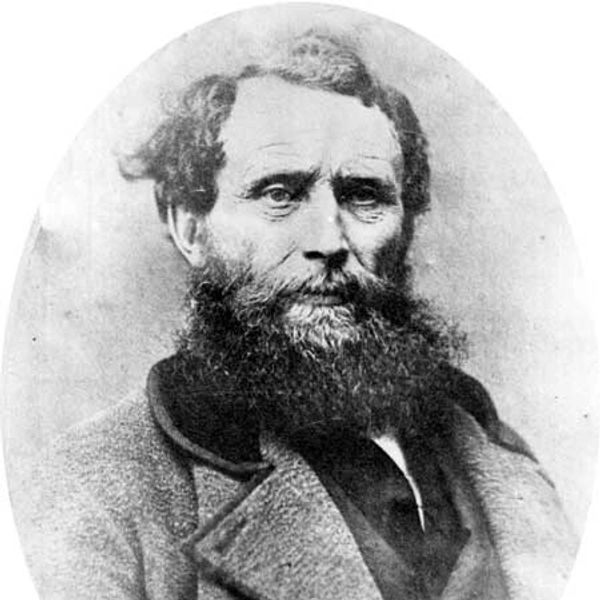
William Kennedy
Captain William Kennedy (1814–1890) was a renowned Arctic explorer, merchant, and community leader who played an important role in the early history of Manitoba. Born at Cumberland House in present-day Saskatchewan, he was the son of a Hudson’s Bay Company trader and grew up learning survival and travel skills from both European and Indigenous traditions.
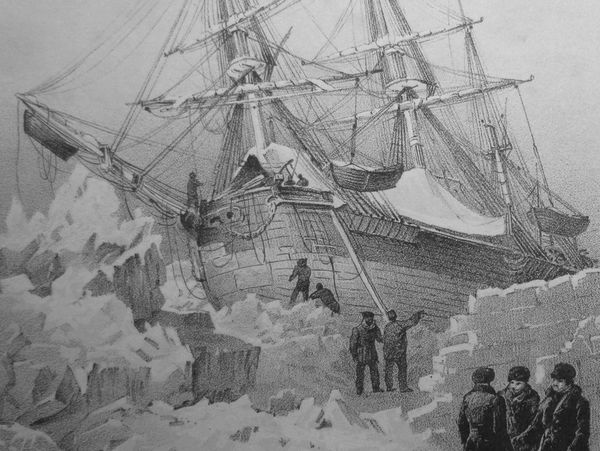
Kennedy gained international recognition in 1851 when he commanded the schooner Prince Albert on an Arctic expedition sponsored by Lady Jane Franklin to search for her missing husband, Sir John Franklin. Despite harsh conditions and dangerous pack ice, Kennedy successfully explored previously uncharted regions and discovered Bellot Strait, a key Arctic waterway.
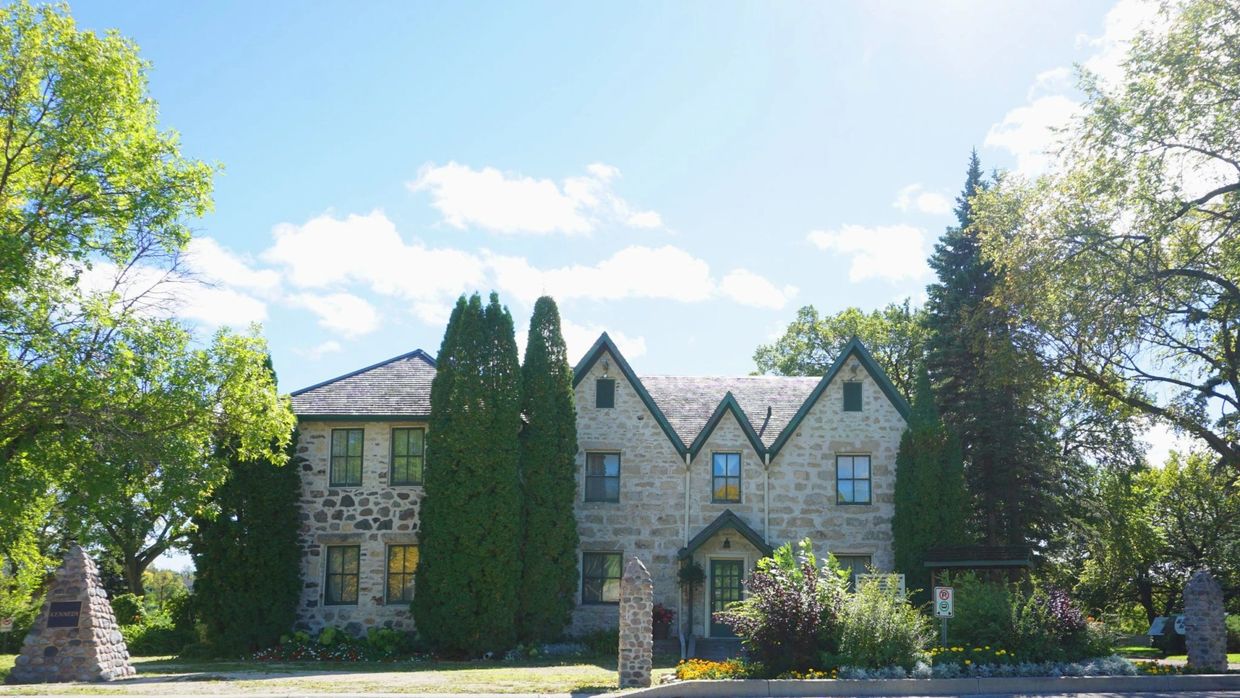
After his years of exploration, Kennedy settled in the Red River Settlement and eventually made his home in St. Andrews, Manitoba. In 1866, he built Maple Grove, a stone house overlooking the Red River that remains a historic landmark today. Kennedy became a respected businessman, magistrate, and advocate for Manitoba's development, helping shape the province during its early years.

Maple Grove was more than the home of Captain William Kennedy. It was the centre of a family household shaped by faith, hospitality, music, community life, and the everyday demands of living in the Red River region in the late 19th century. When the house was established in St. Andrews, it reflected not only William Kennedy’s position and interests, but also the influence of his wife, Eleanor Eliza Kennedy, whose talents and public presence made her an important figure in the life of the parish.
William Kennedy and Eleanor Eliza Cripps married in London in 1859 and came to Red River in 1861. They had a son, William Theodore Ballentine Kennedy, and a daughter, Mary Louisa Kennedy. After early missionary efforts and several difficult years, the family settled on property in St. Andrews and, within a few years, built the stone house that became known as Maple Grove.
A Home of Music, Conversation, and Hospitality
The Kennedy household was known as a place of culture and sociability. Eleanor Kennedy was highly educated, musically gifted, and active in church and community life. The family imported a piano — said to be only the second in Red River — and hosted musical evenings in the home. Eleanor served as choir director and organist at St. Andrew’s Church, and her playing and singing were widely admired.
Life at Maple Grove likely combined refinement with practicality. Visitors would have encountered a home that reflected Victorian tastes, but also the realities of Red River life: distance, seasonal change, community obligation, and a dependence on skill and resilience. The furnished rooms interpreted at the house today are meant to evoke how the family may have lived during the 1870s and 1880s.

Eleanor Kennedy’s Influence
Eleanor Kennedy was far more than the wife of a well-known man. In St. Andrews she became a familiar and respected community figure. She taught music, organized charitable aid during the grasshopper plagues of the late 1860s, helped care for the sick during the smallpox outbreak of 1873, and took an active role in parish and social life. Her days appear to have included teaching, visiting, music, painting, writing, and managing a home that was remembered as a model of Victorian family life.
In the early 1870s, as William’s rheumatism worsened, Eleanor also became an entrepreneur. With help from contacts in England, she established a business importing millinery, fashionable women’s and children’s clothing, and British food items. Customers came from around the countryside, and her enterprise helped support the household during difficult years.
A Household in Changing Times
The Kennedy family’s life at Maple Grove was not untouched by hardship. William’s health declined, business ventures faltered, and the economic downturn of the 1880s dealt the family a serious blow. After William Kennedy died in January 1890, Eleanor sold Maple Grove the following year and moved to Virden with her daughter. Yet her connection to St. Andrews endured: when she died in 1913, she was buried there beside her husband.
More Than One Story
Today, Maple Grove can be understood not only as the home of Captain William Kennedy, but as the setting of a broader family story. It tells us about marriage across cultures, domestic life in Red River, women’s leadership in community life, the role of music and hospitality in the home, and the resilience required to build a household in a changing Manitoba. Through the Kennedy family, the house becomes more than an artifact — it becomes a lived-in place, shaped by work, relationships, ambition, and care.
QUICK FACTS
Married in London
William Kennedy and Eleanor Eliza Cripps married in 1859 before coming to Red River.
Their Children
The couple had one son and one daughter.
A Musical Home
Maple Grove was known for musical evenings, and the family imported a piano to Red River.
Community Leadership
Eleanor taught music, organized relief work, and helped nurse the sick in St. Andrews.
After Captain Kennedy’s Death
Eleanor sold Maple Grove in 1891.